
Restore Volume With Your Own Tissue
You may notice that your face looks a little thinner or more tired than it used to, even when you feel well. That change often comes from lost facial volume, which can alter the shape of the cheeks and deepen shadows across the face. Facial fat grafting restores some of that fullness using fat from your own body. At Coastline Plastic Surgery in Newport Beach, double board-certified facial plastic surgeon Dr. Brandyn Dunn uses this technique to create soft, natural-looking volume that fits your features.

A Natural Source of Volume
Facial fat grafting, also called facial fat transfer or autologous fat grafting, is a surgical procedure that removes fatty tissue from one area through liposuction and transfers it into the face. The harvested fat is prepared before Dr. Dunn places small fat injections into the target areas. Because the procedure uses your own fat, allergic reactions are unlikely, and the surviving fat cells can provide long-lasting results.
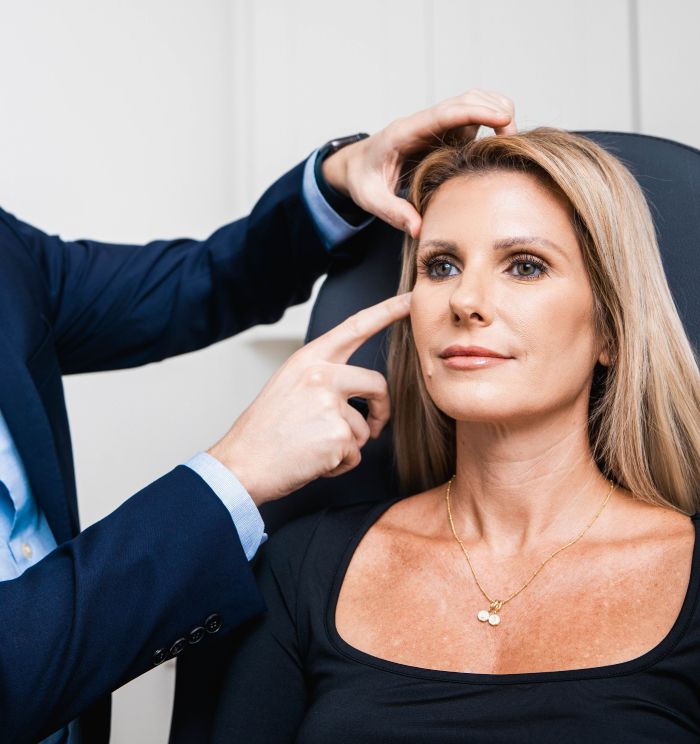
Restoring Balance Across the Face
A Newport Beach facial fat transfer can restore volume in several areas:
Dr. Dunn considers skin thickness, facial structure, and existing volume before deciding where fat is needed. Careful placement helps create natural-looking enhancements without adding excess volume.
Soft, Long-Lasting Restoration
With facial fat grafting Newport Beach patients who want to restore lost volume receive the following benefits:
The liposuction performed for facial fat transfer removes a limited amount of fat, so any donor-site contouring is usually subtle. Dr. Dunn’s primary focus is restoring balanced facial volume without creating an overfilled appearance.
Finding the Right Fit
A good candidate has facial volume loss, sufficient donor fat, stable body weight, and realistic expectations. Facial fat grafting may be especially useful after aging or significant weight loss has left the face looking hollow. Even lean patients may have enough donor fat because facial treatment typically requires a modest amount.
Patients with significant sagging skin may receive better results from a facelift combined with fat grafting. Active infection or uncontrolled acne in a treatment area may require delaying surgery. Nicotine use can also interfere with blood flow, healing, and fat survival.


Planning Around Your Facial Structure
During your consultation, Dr. Dunn will evaluate your facial volume, skin quality, underlying structure, and possible donor areas. He will also review previous dermal fillers, earlier facial procedures, health history, and any planned weight loss. This evaluation determines how much fat is needed and if Newport Beach facial fat grafting should be performed alone or with other facial rejuvenation procedures.
From Donor Area to Face
The facial fat transfer procedure begins with liposuction of a selected donor area. Dr. Dunn uses a small cannula to collect the donor fat through a short incision. The harvested fat is then processed to remove unwanted fluid and oil.
Dr. Dunn transfers the prepared fat into selected facial layers using fine cannulas. Placing small amounts in controlled passes gives the fat cells greater contact with surrounding tissue and blood vessels. This supports fat survival and helps produce smooth facial contours. The procedure may use local anesthesia with sedation or general anesthesia when combined with other procedures.

Comparing Your Options
Different facial rejuvenation procedures address different changes.
Treatment | Best Suited For | Primary Effect |
|---|---|---|
| Facial Fat Grafting | Broader facial volume loss | Adds long-lasting volume using your own fat |
| Dermal Fillers | Small adjustments with minimal downtime | Provides temporary injectable volume |
| Facelift | Sagging skin, jowls, and descended tissue | Lifts and repositions facial tissues |
| Lower Blepharoplasty | Under-eye bags or structural eyelid concerns | Removes or repositions existing orbital fat |
| CO2 Laser Resurfacing | Fine lines, sun damage, and uneven texture | Improves the skin surface and stimulates collagen |
Fat grafting restores volume but does not lift loose tissue. Dr. Dunn may combine facial fat transfer with a facelift, eyelid surgery, or skin resurfacing for more comprehensive facial rejuvenation. Fat transfer is included in his Signature Face and Neck Lift at Coastline Plastic Surgery.
Giving the Fat Time to Settle
Mild swelling and bruising are expected in the face and donor area. Swelling is often most noticeable during the first few days and generally improves over seven to 10 days. Minor asymmetry can occur as each side heals at a different rate.
Many patients resume light normal activities within several days and feel comfortable returning to work or social plans within one to two weeks. The recovery process may take longer when fat grafting is combined with plastic surgery procedures such as a facelift or blepharoplasty.
Living Volume That Becomes Part of You
The face initially looks fuller because of swelling and the amount of transferred fat. Some fat reabsorption is expected during healing. As swelling subsides and the fat settles, the final contours become clearer. Fat grafting results are generally evaluated after three to six months.
The surviving fat cells can remain for many years, though they continue to respond to weight changes. Weight loss may reduce the transferred volume, while weight gain may increase it. Maintaining a stable weight supports a more consistent result.
Understanding the Procedure Fully
Possible risks include bleeding, infection, prolonged swelling, minor asymmetry, lumps, contour irregularities, fat necrosis, and unevenness at the donor site. Fat survival cannot be predicted exactly, so undercorrection or the need for another fat transfer may occur. Removing excess volume after the transferred fat has integrated can be difficult.
A rare vascular complication can develop if fat enters a blood vessel. This can damage the skin and, in severe cases, affect vision or cause neurologic injury. Dr. Dunn’s training in facial plastic and reconstructive surgery gives him detailed knowledge of the vascular anatomy surrounding each treatment area.

Understanding Your Investment
Facial fat grafting costs vary based on the target areas, amount of fat needed, donor site, anesthesia, surgical complexity, and combination with other procedures. Coastline Plastic Surgery provides a full cost estimate after Dr. Dunn completes an examination and creates a personalized treatment plan.
Focused Expertise in Facial Surgery
Dr. Brandyn Dunn is double board-certified in Facial Plastic and Reconstructive Surgery and Otolaryngology–Head and Neck Surgery. His Newport Beach practice focuses on facial plastic surgery, giving him detailed knowledge of facial fat compartments, blood vessels, and the structural changes that contribute to an aged appearance.
Dr. Dunn distinguishes true volume loss from sagging skin or eyelid changes before recommending treatment. This anatomy-led approach helps patients throughout Newport Beach and Orange County achieve natural-looking results that support their existing facial features.
If facial volume loss is changing the way you look, facial fat grafting may provide natural, long-lasting restoration using your own tissue. Schedule a consultation with Dr. Dunn at Coastline Plastic Surgery to discuss your cosmetic goals and receive a personalized plan.
The fat cells that establish a blood supply can remain for many years. Results change with weight fluctuations and the natural aging process, so they are better described as long-lasting than permanently fixed.
Fat retention varies by patient, treatment area, placement, and healing. Dr. Dunn plans for some expected reabsorption, but no exact survival percentage can be guaranteed.
Many thin patients have sufficient fat for facial treatment because only a modest amount is usually needed. Dr. Dunn will evaluate possible donor areas during consultation.
Fat grafting restores volume but does not lift sagging skin or descended facial tissues. Patients with both concerns may benefit from combining fat transfer with facelift surgery.
Yes, in many cases. Dr. Dunn will need to know which dermal fillers were used, where they were placed, and when they were injected before planning treatment.
Fat grafting transfers fat from another area of the body. Fat repositioning moves existing lower-eyelid fat into a nearby hollow during eyelid surgery. Dr. Dunn recommends an approach based on the source of the under-eye concern.